
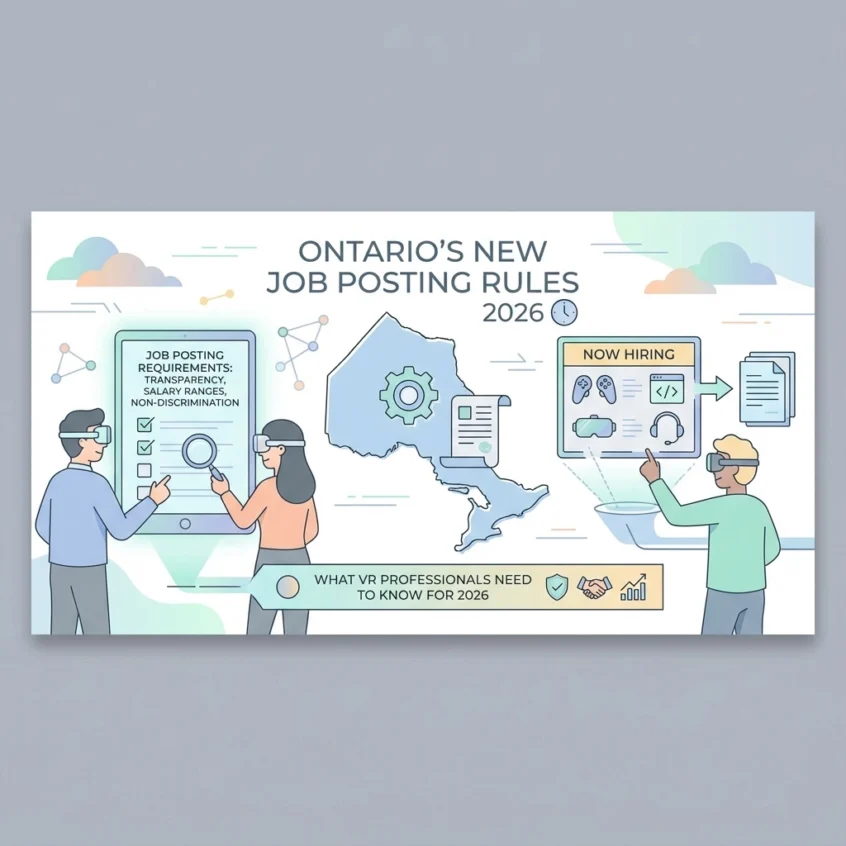
The employment landscape in Ontario just shifted dramatically. As of January 1, 2026, new job posting requirements under the Working for Workers Act are now in effect, and they're going to change how you and your clients navigate the job market.
Whether you're a vocational rehabilitation professional helping clients find work, or you're job hunting yourself, these changes affect everyone. Let's break down what's new, what it means for your practice, and how to turn these regulations into opportunities for better client outcomes.
The Five Game-Changing Rules You Need to Know
1. Salary Transparency Is Now Mandatory
Gone are the days of "competitive salary" listings. Employers with 25 or more employees must now include compensation information in every publicly posted job. Here's the catch: if they post a salary range, it cannot exceed $50,000 (unless the position pays over $200,000 annually).
This is huge for VR professionals. Your clients no longer have to guess whether a position fits their financial needs or disability-related accommodations that might affect earning potential. They can make informed decisions before investing time in applications.

What this means for your practice: You can now help clients set realistic income goals and identify positions that truly match their financial requirements. No more wasted interviews for roles that don't meet basic needs.
2. AI in Hiring Must Be Disclosed
If an employer uses artificial intelligence to screen, rank, or select applicants, they must disclose this in the job posting. This includes everything from resume screening software to AI-powered interview platforms.
For clients with disabilities, this transparency is critical. Different AI systems may inadvertently screen out candidates with certain types of work history gaps or non-traditional career paths: common among people with disabilities or those who've experienced workplace injuries.
Your role: Help clients understand how AI screening works and prepare applications that can navigate these systems effectively while highlighting their unique strengths.
3. "Canadian Experience" Requirements Are Banned
This prohibition extends beyond job postings to application forms and interviews. Employers cannot ask for or require Canadian work experience as a job qualification.
This change particularly benefits newcomers to Canada who may be working with VR professionals to rebuild their careers. It also helps clients who've been out of the workforce due to disability or injury: they can't be penalized for lacking recent Canadian employment.
4. The 45-Day Interview Feedback Rule
Employers must notify interviewed candidates about hiring decisions within 45 days. This can be done in person, in writing, or through technology, but it must happen.

Why this matters: Your clients will no longer be left wondering about interview outcomes indefinitely. This reduces anxiety and allows for better career planning. You can help clients use this feedback period productively while they wait.
5. Vacancy Disclosure Requirements
Job postings must clearly state whether they're advertising for an existing vacancy. This prevents the frustrating experience of applying for positions that don't actually exist or are already filled internally.
How These Changes Impact Your VR Practice
Enhanced Client Advocacy
These transparency requirements give you concrete data to work with. When salary ranges are posted, you can better match clients with appropriate opportunities and negotiate accommodations knowing the financial framework.
The AI disclosure requirement means you can prepare clients specifically for automated screening processes. This might involve reformatting resumes, using specific keywords, or preparing for video interview AI that analyzes speech patterns.
Improved Case Planning
With clearer job market information, your TSA (Transferable Skills Analysis) methodology becomes more precise. You can identify realistic career paths with actual salary data rather than estimates, making your employability assessments more accurate and defendable.

The 45-day feedback timeline also helps with case management. You know exactly when to follow up with clients about interview outcomes and can plan next steps accordingly.
Better Client Preparation
You can now coach clients on navigating AI-screened applications. This might involve:
- Optimizing resumes for applicant tracking systems
- Preparing for AI-powered video interviews
- Understanding how automated screening might affect candidates with disabilities
- Developing strategies to highlight transferable skills that AI systems can recognize
What Your Clients Need to Know
Job Search Strategy Changes
Your clients should approach job searching differently now. They can:
- Filter opportunities based on actual salary information
- Prepare targeted applications knowing when AI is involved
- Apply with confidence knowing positions are real vacancies
- Plan their job search timeline knowing they'll receive timely feedback
Rights and Protections
Clients need to understand their new protections. They cannot be asked about Canadian work experience, and they have the right to know if AI is screening their applications. If they're not notified about interview outcomes within 45 days, that's a compliance violation they can report.
Accommodation Discussions
Salary transparency makes accommodation discussions more straightforward. Clients can assess whether potential employers have the financial capacity to support necessary workplace modifications.
Adapting Your Professional Practice
Update Your Assessment Tools
Your employability frameworks need to incorporate these new market realities. Consider how salary transparency affects vocational goals and whether AI screening impacts your clients' job search strategies.

Enhance Client Training
Develop new modules addressing AI screening preparation and leveraging salary transparency in job search planning. Your cultural awareness training should also address how these changes affect diverse client populations differently.
Refine Your Counseling Techniques
These regulations create opportunities for more precise career counseling. You can use concrete salary data in goal setting and provide specific preparation for AI-mediated hiring processes.
Looking Forward: Opportunities in the New Landscape
These changes aren't just compliance requirements: they're opportunities to provide better service. The transparency and accountability these rules create should lead to more efficient job matching and better outcomes for your clients.
The key is adapting your methodology to leverage these new information sources. Your client-centered approaches become more effective when you have better data to work with, and your structured assessment models can incorporate real market conditions.
As the employment landscape continues evolving, staying current with both regulatory changes and best practices becomes even more critical. The professionals who adapt quickly and help their clients navigate these new realities will see the best results.
These Ontario job posting rules represent a significant shift toward transparency and fairness in hiring. For VR professionals, they offer new tools for client advocacy and more precise career planning. The question isn't whether to adapt: it's how quickly you can turn these changes into better outcomes for the people you serve.
